

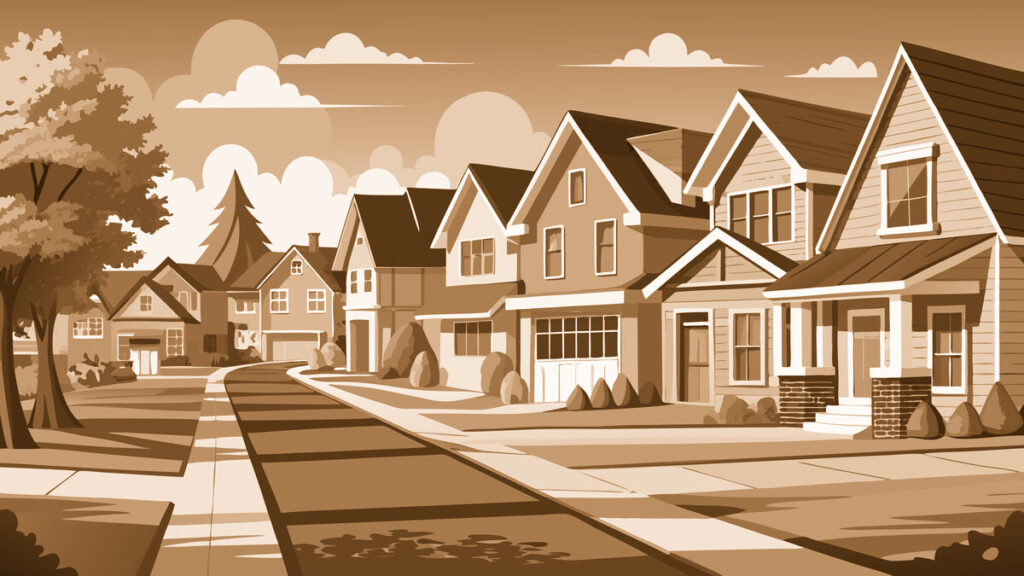
Nestled just north of downtown Hickory, the Lakeland Park neighborhood has quietly thrived for generations as an anchor of tradition, character, and close-knit living. While many of Hickory’s districts have seen transformation and redevelopment, Lakeland Park stands out for its steadfast sense of place, where the echoes of its origins are heard in every tree-lined avenue and neighborly wave. Join me as I share the unique journey of how Lakeland Park came to be, what keeps it special, and why its rich heritage matters—not just for longtime residents, but for everyone who calls Hickory home.
Origins: The Birth of a Neighborhood
In the years following World War II, Hickory experienced rapid growth fueled by the booming furniture and textile industries. The city needed space for expanding families and a sense of green, open living. Lakeland Park was carved from rolling farmland and stands of native hardwoods in the late 1940s, envisioned as a peaceful residential enclave where families could settle, work, and thrive.
The neighborhood took its name from the picturesque little lake central to the newly planned community—today’s Lakeland Park Lake, which remains a treasured feature. Locals remember the lake’s early days as a spot for picnics, fishing, and lazy summer afternoons. Its shimmering waters gave the neighborhood its identity and a gathering place that’s still beloved.
Key Historical Milestones
Throughout the decades, several milestones have shaped Lakeland Park’s character:
- 1950s-1960s: Streets such as Lakeland Park Drive, Audrey Place, and Edgewood Drive were laid out in graceful curves instead of straight lines—an innovative approach for its day. This created a sense of seclusion and connection with nature, while homes built in traditional ranch and cottage styles lent the neighborhood a sense of warmth and accessibility.
- Community Institutions: The nearby Jenkins Elementary School, first constructed in the mid-1950s, became the focal point for young residents and the neighborhood’s social life. Generations of families recall walking to school along tree-shaded sidewalks or attending holiday events at the school’s auditorium.
- 1970s Expansion: As Hickory continued to prosper, Lakeland Park saw the addition of small parks and green spaces—such as the pocket park at Lakeland Park Lake itself—making the area even more attractive for families.
- Modernization and Preservation: In the 1990s and 2000s, as newer developments rose around Hickory, Lakeland Park’s residents banded together to preserve the original character of their streetscapes, resisting wholesale redevelopment and instead favoring careful updates that respected the neighborhood’s mid-century charm.
Notable Landmarks and Buildings
Lakeland Park is more than just its pretty lake, though that body of water is certainly its heart. Here are a few places and sights you’ll want to note:
- *Lakeland Park Lake:* The namesake of the neighborhood, this small, spring-fed lake is bordered by mature oaks and maples, with a walking loop that invites peaceful reflection. Families feed ducks here, and you’ll often see residents enjoying a sunset stroll.
- *Historic Homes:* The original brick ranchers along Audrey Place and Edgewood Drive are beautifully maintained, with unique mid-century architectural features like wide eaves and picture windows. Each home has its own story, and many have passed down through multiple generations.
- *Neighborhood Parks:* In addition to the lake, small green spaces tucked on corners like Park Street offer a bench or playground for relaxation. These aren’t city-wide destinations, but they are precious “backyards” for local children and their families.
- *Jenkins Elementary School:* While technically adjacent to the southern boundary, this school is indelibly linked to Lakeland Park, hosting events, ballgames, and serving as a community beacon since its opening.
Streets that Tell Stories
As any resident will tell you, the streets of Lakeland Park feel more like quiet country lanes than busy urban passages—even as the city has grown up around them.
- Lakeland Park Drive: This curving main road sweeps past the lake and central park, with mature gardens and welcoming porches.
- Edgewood Drive and Audrey Place: Known for their lush landscaping and original homes, these streets are favorites for evening walks.
- Park Street: Once site of larger communal gatherings, it remains a peaceful access point to neighborhood recreation.
Evolution Over the Decades
Lakeland Park has evolved in the best of ways—adaptable, yet deeply rooted in tradition. While some homes have been updated for modern living, there’s a visible pride in maintaining the area’s distinctive mid-century personality. Neighborhood groups, like the Lakeland Park Neighborhood Association, have played an active role in ensuring that new development is sensitive to the neighborhood’s heritage.
Longtime residents describe generations growing up here, attending school together, and sharing in the rhythm of small-town life even as the city of Hickory expands and changes. Newcomers have been welcomed, adding diversity and vitality, yet the overall feeling remains: Lakeland Park is a place where neighbors know each other’s names, children play freely, and life moves at a friendlier, more deliberate pace.
A Place to Call Home
What makes Lakeland Park truly special is its underlying spirit—a sense of home that goes beyond bricks and mortar. On any given morning, you’ll find joggers circling the lake, parents waving at bus stops, and retirees chatting over garden fences. The neighborhood’s legacy is not simply in its history, but in its ongoing commitment to connection, community, and care.
While bigger cities may change faster, and other neighborhoods in Hickory may be better known to outsiders, Lakeland Park endures as both a sanctuary and a celebration—a timeless reminder of what makes small-town living in Hickory, North Carolina, so utterly unique.